Use code FIRSTNUTRA and get 10% off on your order.
0

My cart

Fish Oil vs Krill Oil

Fish Oil vs Krill Oil: Which Is Better

Introduction

Walk into any supplement store and the omega-3 aisle can feel overwhelming. Fish oil has been a household name for decades, but krill oil keeps showing up on “best of” lists with bold claims about superior absorption. So what actually separates them, and does the difference matter enough to change what you buy?

The short answer is: it depends on what you are optimising for. This guide cuts through the marketing noise and looks at the real evidence, from peer-reviewed studies published up to early 2026, so you can make an informed decision that fits your health goals, budget, and values. This guide is especially useful for Indian consumers looking to choose the best omega-3 supplement in India based on science, budget, and personal health goals.

This article is reviewed for accuracy and relevance to Indian consumers, ensuring it aligns with current nutritional science and supplement practices in India.

Also Read: 7 Sign You Might Be Omega-3 Deficient

What is the difference between fish oil and krill oil?

The main difference between fish oil and krill oil is how omega-3 fatty acids are structured. Fish oil contains omega-3s in triglyceride form, while krill oil contains them in phospholipid form, which may improve absorption. Fish oil typically provides more EPA and DHA per capsule and is more affordable, while krill oil contains additional nutrients like astaxanthin and choline.

What Are Fish Oil and Krill Oil?

Fish Oil

Fish oil is extracted from the tissues of cold-water, fatty fish — typically anchovies, sardines, mackerel, herring, and salmon. It is the world’s most consumed omega-3 supplement, with decades of clinical research behind it. The omega-3 fatty acids in fish oil are predominantly stored as triglycerides (TG). The concentration of EPA and DHA in a standard fish oil softgel typically ranges between 300–600 mg per 1,000 mg capsule, though high-concentrate formulations can exceed 800 mg.

Krill Oil

Krill oil comes from Euphausia superba — tiny, shrimp-like crustaceans that swarm in vast quantities in the cold waters of the Antarctic. What makes krill oil structurally unique is that a large proportion (roughly 30–65%) of its omega-3 fatty acids are bound to phospholipids, primarily phosphatidylcholine — the same lipid framework found in your cell membranes. Krill oil also contains a red-orange antioxidant called astaxanthin, which is absent from most fish oils.

Bioavailability: Which Is Absorbed Better?

This is arguably the most debated point in the fish oil vs krill oil conversation. The claim is straightforward: because krill oil omega-3s travel in a phospholipid “taxi,” they slip through the intestinal wall more efficiently than the triglyceride-bound omega-3s in fish oil.

There is genuine evidence supporting this idea. A 2015 study measuring blood levels of EPA and DHA over 72 hours found that participants who took krill oil had higher circulating levels — even though the actual EPA+DHA dose was lower. An older 2011 study reached a similar conclusion: roughly two-thirds the dose of krill oil produced equivalent blood increases in EPA and DHA compared to fish oil.

A 2024 network meta-analysis published in Food Chemistry X confirmed that high-phospholipid krill oil formulations performed well in bioavailability metrics — but also found that re-esterified triglyceride (rTAG) fish oils and certain emulsified fish oil formulations matched or exceeded standard krill oil in absorption efficiency.

Key Point: A high-quality rTAG or emulsified fish oil taken with a fatty meal can close the bioavailability gap with krill oil considerably. For most people, the practical difference is unlikely to be clinically meaningful.

Heart Health Benefits

Omega-3s have been studied for cardiovascular health since the 1970s, and fish oil has the deeper clinical track record here. The American Heart Association (AHA) and Food Safety and Standards Authority of India (FSSAI) recommends omega-3 supplementation for people with documented heart disease, with the bulk of that guidance built on fish oil research.

A 2024 network meta-analysis in the Journal of Functional Foods concluded that low-dose krill oil (under 2,000 mg) and fish oil emulsions are both effective at lowering triglycerides and improving lipid markers. The most comprehensive head-to-head analysis — a 2020 meta-analysis in Endocrine Practice reviewing 64 randomised controlled trials — found that the lipid-modifying effects of krill oil and fish oil do not significantly differ when matched for EPA+DHA content.

Important: The most famous large-scale cardiovascular trials (REDUCE-IT, STRENGTH) used pharmaceutical-grade, highly concentrated EPA formulations — not standard OTC fish oil or krill oil. Do not assume standard supplement doses replicate those outcomes.

Also Read: Benefits of Omega 3 for Heart Health

Brain Health & Mood

DHA is a structural component of brain cell membranes, and higher omega-3 status is associated with cognitive function and reduced risk of neurodegenerative decline. Both fish oil and krill oil supply DHA, which makes them theoretically comparable for brain support.

A notable 2025 randomised, double-blind, placebo-controlled trial published in the Journal of Affective Disorders directly compared krill oil (520 mg EPA+DHA) against fish oil (600 mg EPA+DHA) in 57 adults with major depressive disorder over 8 weeks. Both groups showed significant reductions in depression scores, anxiety, and stress compared to placebo — and neither intervention proved superior to the other.

One potential edge for krill oil in brain health is the presence of choline, a nutrient essential for the production of the neurotransmitter acetylcholine. Most fish oil products do not contain choline. If choline intake is a concern — particularly in people who don’t eat eggs regularly — krill oil may carry a modest added benefit.

Anti-Inflammatory Effects

Both EPA and DHA suppress inflammatory pathways by competing with arachidonic acid for the same enzymatic processes — producing fewer pro-inflammatory eicosanoids as a result.

A comprehensive 2025 review in the International Journal of Molecular Sciences compared the antioxidant and anti-inflammatory effects of krill and fish oil using studies up to 2025. Reviewers found that both oils reduce inflammatory biomarkers including CRP, TNF-alpha, and IL-6. Krill oil showed an advantage in some oxidative stress markers, attributed to its astaxanthin content — a carotenoid antioxidant that scavenges free radicals far more efficiently than vitamin E.

Krill oil has been studied specifically for knee pain in people with mild-to-moderate osteoarthritis, with some trials reporting meaningful improvements in stiffness and discomfort over 30 days of supplementation.

Unique Nutrients: Astaxanthin & Choline

Astaxanthin

Astaxanthin is the carotenoid that gives krill, salmon, and flamingos their distinctive pink-to-red hue. It is one of the most potent natural antioxidants identified in scientific literature. In the context of krill oil specifically, astaxanthin also stabilises the oil itself, making it inherently more resistant to oxidation — a practical advantage over fish oil, which is prone to rancidity if not stabilised with added vitamin E or stored properly. Note: the quantity per krill oil capsule is typically small (0.2–0.4 mg), so the benefit should not be overstated.

Choline

Krill oil delivers choline naturally because its omega-3s are bound to phosphatidylcholine. Choline is a conditionally essential nutrient that supports liver function, cell membrane integrity, and the synthesis of acetylcholine. Many adults — particularly those following plant-forward diets or avoiding eggs — fall short of adequate intake, making krill oil’s natural choline content a genuine differentiator.

Side Effects & Tolerability

One of the most common complaints about fish oil is the “fish burp” — a fishy aftertaste and reflux that some people find intolerable. Krill oil is generally better tolerated: its phospholipid structure is more readily emulsified in the gut, reducing the chance of undigested oil reaching the oesophagus. Enteric-coated fish oil capsules can also largely resolve this issue without switching products.

Allergy Alert: Krill is a shellfish. Anyone with a confirmed shellfish allergy should avoid krill oil entirely and choose fish oil or an algae-based omega-3 supplement instead.

Both supplements carry a mild risk of blood-thinning effects at high doses. Consult your doctor if you are on anticoagulant medications such as warfarin or aspirin. Pregnant women should also seek medical advice before starting omega-3 supplements.

Cost & Sustainability

Cost Comparison

Fish oil wins clearly on cost. It is significantly cheaper per milligram of EPA+DHA — often 2 to 4 times cheaper than an equivalent krill oil product. For people who need higher therapeutic doses (3,000 mg+ of EPA+DHA per day), krill oil costs can become prohibitive. Budget-conscious consumers will almost always get better value from a quality fish oil.

Environmental Sustainability

Antarctic krill is regulated under strict MSC protocols with annual harvest limits designed to protect the Southern Ocean ecosystem. Most commercially available krill oil is MSC-certified. Fish oil sustainability varies widely depending on sourcing, consumers should look for certifications such as IFOS or MSC when choosing a product.

In India, it is also important to ensure that supplements comply with regulations set by the Food Safety and Standards Authority of India (FSSAI). Responsible brands selling in India typically disclose their sourcing, purification methods, and certificates of analysis to ensure safety, quality, and environmental responsibility.

Supplement Regulations & Safety in India

In India, dietary supplements are regulated by the Food Safety and Standards Authority of India (FSSAI). All omega-3 supplements sold legally should comply with FSSAI guidelines for safety, labeling, and ingredient transparency.

When buying fish oil or krill oil in India:

  • Look for FSSAI license numbers on packaging
  • Check for third-party testing or certifications (IFOS, NSF, MSC)
  • Avoid products with unclear EPA/DHA labeling
  • Prefer brands that disclose sourcing and purity reports

This ensures you are choosing a safe and compliant supplement for Indian standards.

Pros & Cons at a Glance

Factor Fish Oil Krill Oil
Source Fatty fish (anchovies, sardines, salmon) Antarctic krill (crustacean)
Omega-3 Form Triglycerides (TG) or ethyl esters (EE) Phospholipids (30–65%) + triglycerides
Bioavailability Good; higher with rTAG or emulsified forms Potentially higher due to phospholipid structure
EPA+DHA per Capsule Higher — 300–600+ mg per 1g capsule Lower — typically 200–350 mg per capsule
Heart Health Evidence Extensive long-term trial data; AHA-endorsed Good, growing evidence base
Brain & Mood Well-documented DHA support Comparable, plus natural choline
Anti-Inflammatory Strong EPA/DHA effect Similar effect + astaxanthin antioxidant
Unique Antioxidants Minimal (some added Vit E) Natural astaxanthin
Digestive Tolerance Fishy burps common; enteric coating helps Generally better tolerated
Allergen Risk Fish allergy only Shellfish allergy risk — avoid if allergic
Cost per EPA+DHA gram Lower — best value Higher — 2–4x per EPA+DHA gram
Sustainability Variable; look for IFOS/MSC certification MSC-certified; tightly regulated harvest
Stability / Shelf Life Prone to oxidation; check freshness More stable due to astaxanthin
Overall Edge Budget, dose, evidence depth Absorption, tolerance, bonus nutrients

Fish Oil vs Krill Oil in India: What Should You Choose?

For Indian consumers, the choice between fish oil and krill oil also depends on price, availability, and dietary preferences.

  • Price in India: Fish oil supplements are significantly more affordable and widely available across platforms like Amazon and pharmacies. Krill oil is usually 2–4x more expensive due to import costs.
  • Availability: Fish oil is easily available from Indian and international brands, whereas krill oil options are more limited and often imported.
  • Vegetarian Consideration: A large portion of the Indian population prefers vegetarian supplements. In such cases, algae-based omega-3 may be a better alternative than both fish and krill oil.
  • Capsule Preference: Many Indian users prefer enteric-coated or odorless capsules to avoid fishy burps.
  • Diet Gap in India: Indian diets are often low in EPA and DHA due to limited fatty fish consumption, making omega-3 supplementation more relevant.

Practical Tip: For most Indian buyers, high-quality fish oil offers better value, while krill oil is suitable for those prioritizing digestion and absorption.

The Verdict: Which Should You Choose?

There is no single answer, but there is a smart framework. Instead of asking “which is better overall?” ask which is better for you specifically.

Choose Fish Oil If:

  •     You want maximum EPA+DHA per INR
  •     You follow a tight supplement budget
  •     You need high therapeutic doses (3,000+ mg EPA+DHA daily)
  •     Your doctor has recommended omega-3s for cardiovascular support
  •     You prefer the most extensively studied supplement option

Choose Krill Oil If:

  •     You experience fishy burps or reflux with standard fish oil
  •     You want the bonus antioxidant protection of astaxanthin
  •     You prefer smaller, easier-to-swallow capsules
  •     You are specifically interested in joint pain or mood support
  •     You want naturally occurring choline alongside your omega-3s

Key Quality Tips (Regardless of Which You Choose):

  •     Look for IFOS, NSF, or MSC certification on the label
  •     Check actual EPA+DHA listed — not just total omega-3
  •     Store in a cool, dark place and smell occasionally — rancid oil smells strongly fishy
  •     Take with a meal containing some fat for best absorption
  •     Typical effective dose: 1,000–3,000 mg EPA+DHA per day

References

  1. Pham T-P-T, et al. (2024). Comparing the cardiovascular risk-reducing effects of polyunsaturated fatty acids in fish oil and krill oil: A network meta-analysis. Journal of Functional Foods, 120, 106375.
  2. Pham T-P-T, et al. (2024). Comparison of Omega-3 polyunsaturated fatty acids bioavailability in fish oil and krill oil: Network Meta-analyses. Food Chemistry X, 24, 101880.
  3. Yuruk AA, et al. (2025). The effect of fish oil versus krill oil intervention on clinical symptoms and cardiometabolic risk factors in patients with major depressive disorder. Journal of Affective Disorders, 380, 104-112.
  4. Comparative Analysis of the Antioxidant and Anti-Inflammatory Effects of Krill and Fish Oil. (2025). International Journal of Molecular Sciences, 26(15), 7360.
  5. Lakshmanan AP, et al. (2020). Lipid-modifying effects of krill oil vs fish oil: a network meta-analysis. Endocrine Practice.
  6. Ulven SM, Holven KB. (2015). Comparison of bioavailability of krill oil versus fish oil and health effect. Vascular Health and Risk Management, 11, 511-524.
  7. American Heart Association. Fish and Omega-3 Fatty Acids. (2022 updated guidance).
  8. Food Safety and Standards Authority of India. Nutraceutical Regulations and Dietary Supplement Guidelines (India). 

Disclaimer: This content is for informational and educational purposes only and is not intended as medical advice. All supplements mentioned are classified as nutraceuticals and should comply with regulations set by the Food Safety and Standards Authority of India. Omega-3 supplements are not intended to diagnose, treat, cure, or prevent any disease. Always consult a qualified healthcare professional or registered dietitian before starting any new supplement, especially if you are pregnant, nursing, taking medication, or have underlying health conditions.

nutracount.com  |  NutraCount Editorial Team  |  April 2026


Frequently Asked Questions

Is krill oil better absorbed than fish oil?

Krill oil may be better absorbed than fish oil because its omega-3s are bound to phospholipids, which are easier for the body to process. However, high-quality fish oil in re-esterified triglyceride form can offer similar absorption, making the difference less significant in real-world use.

Which is better for heart health?

Both oils reduce triglycerides and support cardiovascular health. Fish oil carries the larger evidence base with an AHA endorsement. A 2024 network meta-analysis found no significant difference in lipid-modifying effects when EPA+DHA doses are matched.

Does krill oil cause fishy burps?

Krill oil is much less likely to cause fishy aftertaste or reflux compared to standard fish oil. Enteric-coated fish oil capsules are an effective alternative for those who experience this issue with regular fish oil.

Can I take fish oil and krill oil together?

There is no direct harm in taking both, but there is no proven added benefit either. Very high combined doses (above 3,000 mg EPA+DHA daily) may increase bleeding risk. Consult a healthcare provider before stacking supplements, particularly if you are on medications.

Which is more sustainable?

Antarctic krill is regulated under strict MSC protocols. Fish oil sustainability varies by brand and source — look for IFOS or MSC certification regardless of which product you choose.

Is krill oil safe if I have a shellfish allergy?

No. Krill are crustaceans, and krill oil is not safe for people with shellfish allergies. Choose fish oil or an algae-based omega-3 supplement instead.

Which is the best omega-3 supplement in India?

The best omega-3 supplement in India depends on your needs. Fish oil is ideal for affordability and higher EPA+DHA content, while krill oil offers better absorption and digestion. Always choose products that are certified and clearly mention EPA and DHA content on the label.

Omega-3 Deficiency

7 Signs You Might Be Omega-3 Deficient

Introduction

Modern diets have changed dramatically over the past few decades. While calories are abundant, essential nutrients are often not. One silent but surprisingly common issue is inadequate intake of omega-3 fatty acids — critical fats that influence everything from brain function to inflammation control.

If you’ve been dealing with dry skin, persistent fatigue, low mood, or joint discomfort, you may be experiencing subtle omega-3 deficiency signs without realizing it.

Let’s explore what omega-3 fatty acids are, why deficiency is common today, and the 7 science-backed signs you might need more of them.

Also Read: Omega-3 Benefits for Heart Health

What Are Omega-3 Fatty Acids?

Omega-3 fatty acids are a family of polyunsaturated fats essential for human health. The three most important forms include:

  • EPA (Eicosapentaenoic Acid) – Supports heart health and regulates inflammation
  • DHA (Docosahexaenoic Acid) – Critical for brain structure and eye health
  • ALA (Alpha-linolenic Acid) – Found in plant foods and partially converted into EPA and DHA

Unlike some fats your body can manufacture, omega-3s must primarily come from your diet.

Also Read: EPA vs DHA

Why Is Omega-3 Deficiency Common Today?

Omega-3 deficiency causes are often rooted in dietary imbalance.

Traditional diets contained a healthier balance between omega-6 and omega-3 fatty acids. Today, many people consume excessive omega-6 fats (from refined vegetable oils and processed foods) while consuming too little fatty fish or plant omega-3 sources.

This imbalance shifts the body toward a pro-inflammatory state.

Additionally:

  • Fish intake is low in many parts of India.
  • Vegetarian and vegan diets may lack EPA and DHA.
  • Poor gut health can impair fat absorption.
  • Aging reduces fatty acid metabolism efficiency.

As a result, low omega-3 symptoms are becoming increasingly common.

Also Read: How Much Omega-3 You Should Take Daily?

What Is Omega-3 Deficiency?

Omega-3 deficiency occurs when dietary intake and tissue levels of EPA and DHA are insufficient to support normal physiological functions.

It does not always cause dramatic symptoms immediately. Instead, it often manifests gradually as subtle, persistent health concerns — particularly those related to inflammation, brain function, and skin health.

Common Omega-3 Deficiency Causes

  • Low intake of fatty fish
  • High intake of refined seed oils
  • Vegetarian or vegan diets without algae-based DHA
  • Digestive disorders affecting fat absorption
  • Pregnancy (increased demand for DHA)
  • Chronic inflammatory conditions

The 7 Signs You Might Be Omega-3 Deficient

Below are the most common symptoms of omega-3 deficiency, explained through physiology and practical examples.

1. Dry Skin and Brittle Hair

What You May Notice

  • Rough, flaky, or irritated skin
  • Increased sensitivity
  • Dull, brittle hair
  • More frequent dandruff

The Biological Mechanism

Omega-3 fatty acids are essential components of cell membranes. DHA, in particular, supports the structural integrity of skin cells.

When omega-3 levels are low:

  • Skin barrier function weakens
  • Moisture retention decreases
  • Inflammatory pathways increase

This leads to dryness, irritation, and compromised scalp health.

Practical Example

If you regularly use moisturizers but still struggle with persistent dryness — especially during seasonal changes — it could reflect deeper nutritional imbalance.

When to See a Doctor

If dryness is severe, accompanied by eczema-like symptoms, or persistent despite dietary improvements, consult a dermatologist.

2. Brain Fog or Poor Concentration

What You May Notice

  • Difficulty focusing
  • Slower thinking
  • Memory lapses
  • Mental fatigue

The Biological Mechanism

DHA constitutes a major structural fat in the brain. Neuronal membranes rely on omega-3s for fluidity, which directly impacts:

  • Neurotransmitter function
  • Signal transmission
  • Cognitive performance

Low omega-3 symptoms often include reduced mental clarity because impaired membrane fluidity disrupts communication between brain cells.

Practical Example

Students or professionals under high cognitive demand may feel mentally “sluggish” despite adequate sleep.

When to Seek Help

If concentration issues are worsening or accompanied by neurological symptoms, medical evaluation is important.

3. Mood Changes or Low Mood

What You May Notice

  • Persistent low mood
  • Irritability
  • Emotional instability
  • Reduced motivation

The Biological Mechanism

EPA plays a significant role in modulating inflammation and supporting neurotransmitters like serotonin and dopamine.

Chronic low-grade inflammation — often worsened by omega-3 deficiency — has been linked to mood disturbances.

Insufficient omega-3 levels may alter:

  • Serotonin receptor function
  • Dopamine signaling
  • Stress response pathways

Practical Example

Individuals consuming diets high in processed foods and low in fish often report energy fluctuations and mood swings.

Important Note

Mood disorders are complex and multifactorial. Omega-3 deficiency may contribute, but it is not the sole cause. Seek professional support for persistent depressive symptoms.

4. Joint Pain or Stiffness

What You May Notice

  • Morning stiffness
  • Mild joint discomfort
  • Reduced flexibility

The Biological Mechanism

EPA-derived compounds help produce anti-inflammatory mediators called resolvins and protections.

When omega-3 intake is low:

  • Pro-inflammatory molecules dominate
  • Joint tissues experience greater inflammatory stress

Over time, this may contribute to stiffness or discomfort.

Practical Example

Individuals with sedentary lifestyles combined with high omega-6 intake may experience increased inflammatory sensitivity.

When to Consult a Doctor

Persistent swelling, severe pain, or suspected arthritis requires medical evaluation.

5. Poor Eye Health

What You May Notice

  • Dry eyes
  • Eye irritation
  • Visual fatigue

The Biological Mechanism

DHA is highly concentrated in the retina. It supports photoreceptor cell integrity and tear film stability.

Low DHA may:

  • Disrupt tear production
  • Increase ocular surface inflammation
  • Reduce retinal structural support

Practical Example

Excessive screen time combined with inadequate omega-3 intake may worsen dry eye symptoms. Seek ophthalmologic advice if vision changes or eye discomfort persist.

6. Persistent Fatigue

What You May Notice

  • Low energy despite adequate sleep
  • Afternoon energy crashes
  • Poor exercise recovery

The Biological Mechanism

Omega-3 fatty acids influence mitochondrial function — the energy-producing structures inside cells.

Low levels may impair:

  • Cellular energy metabolism
  • Oxygen efficiency
  • Muscle recovery

Additionally, chronic inflammation (linked to omega-3 deficiency) can increase perceived fatigue.

Practical Example

People consuming mostly refined carbohydrates and processed oils may experience unstable energy patterns.

7. Slow Wound Healing or Increased Inflammation

What You May Notice

  • Cuts taking longer to heal
  • Frequent inflammatory flare-ups
  • Gum inflammation

The Biological Mechanism

Omega-3s help regulate inflammatory responses and resolution phases of healing.

Without adequate levels:

  • Inflammation persists longer
  • Tissue repair slows
  • Immune balance shifts

Inflammation is necessary — but it must resolve efficiently. Omega-3s help ensure that.

When to Seek Care

Delayed healing in diabetic or immunocompromised individuals requires medical supervision.

Who Is Most at Risk?

Certain populations are more likely to experience omega-3 deficiency signs.

High-Risk Groups

  • Vegetarians and vegans (limited EPA/DHA)
  • Individuals who rarely eat fish
  • Pregnant or breastfeeding women
  • Elderly adults
  • People with digestive disorders
  • Individuals consuming high amounts of refined vegetable oils

Western Diet Imbalance

Modern diets often contain 15–20 times more omega-6 than omega-3 fats. Historically, the ratio was closer to 1:1 or 4:1.

This imbalance promotes chronic inflammation — increasing the likelihood of low omega-3 symptoms.

How to Test for Omega-3 Deficiency?

Omega-3 Index

The Omega-3 Index measures EPA and DHA levels in red blood cell membranes.

  • Optimal range: 8% or higher
  • Moderate risk: 4–8%
  • Low levels: Below 4%

This test provides a long-term reflection of tissue omega-3 status.

Blood Testing

Some laboratories in India offer fatty acid profile testing. Discuss testing with a healthcare provider if you suspect deficiency.

How to Correct Omega-3 Deficiency?

Omega-3 deficiency treatment involves dietary improvement and, if necessary, supplementation.

Food Sources

Rich Sources of EPA & DHA

  • Fatty fish (salmon, sardines, mackerel, anchovies)
  • Fish oil
  • Algae oil (vegetarian DHA source)

Plant Sources of ALA

  • Flaxseeds
  • Chia seeds
  • Walnuts
  • Mustard oil (moderate amounts)

Note: ALA converts inefficiently to EPA and DHA (often less than 10%).

Supplement Guidance

General intake recommendations (for adults):

  • 250–500 mg combined EPA + DHA daily for maintenance
  • Higher amounts may be used under medical supervision

Vegetarians may consider algae-based DHA supplements.

Always consult a healthcare provider if:

  • You are pregnant
  • You are on blood thinners
  • You have a chronic medical condition

EPA vs DHA: Why It Matters

  • EPA is more strongly linked to inflammation regulation and mood support
  • DHA is critical for brain and eye structure

A balanced supplement often contains both.

How Long Does It Take to Improve Levels?

Omega-3 levels do not rise overnight.

  • Blood levels may begin improving within 4–8 weeks
  • Optimal tissue incorporation may take 2–3 months
  • Symptom improvement varies individually

Consistency is key.

Conclusion

Omega-3 fatty acids are foundational to brain health, skin integrity, inflammation balance, and cardiovascular support.

Common omega-3 deficiency signs include:

  • Dry skin
  • Brain fog
  • Mood changes
  • Joint stiffness
  • Eye dryness
  • Fatigue
  • Slow healing

Because symptoms are often subtle, deficiency can go unnoticed for years. Improving intake through fatty fish, plant sources, or well-chosen supplements can significantly enhance long-term health outcomes.

Balanced nutrition — not extremes — remains the most sustainable strategy. If you suspect persistent symptoms of omega-3 deficiency, consult a qualified healthcare professional and consider testing your omega-3 index.

Frequently Asked Questions (FAQs)

1. What are the most common omega-3 deficiency signs?

The most common omega-3 deficiency signs include dry skin, brittle hair, brain fog, low mood, joint stiffness, eye dryness, fatigue, and slow wound healing. These symptoms occur because omega-3 fatty acids play a key role in maintaining cell membrane integrity, regulating inflammation, and supporting brain and eye function.

2. How long does it take to correct low omega-3 levels?

Improving low omega-3 symptoms typically takes 4 to 12 weeks, depending on diet, baseline levels, and supplementation. Blood levels may begin improving within a month, but optimal tissue incorporation of EPA and DHA can take up to 2–3 months with consistent intake.

3. Can vegetarians become omega-3 deficient?

Yes, vegetarians and vegans are at higher risk of omega-3 deficiency because plant sources mainly provide ALA, which converts poorly into EPA and DHA. Algae-based DHA supplements can help meet needs without consuming fish.

4. How can I test for omega-3 deficiency in India?

You can measure your omega-3 status through an Omega-3 Index test, which analyzes EPA and DHA levels in red blood cells. Some diagnostic labs in India offer fatty acid profile testing. Consult a healthcare provider to determine whether testing is appropriate.

5. What is the best omega-3 deficiency treatment?

Omega-3 deficiency treatment typically involves: Increasing fatty fish intake (2–3 times per week) Adding flaxseeds, chia seeds, and walnuts Taking a high-quality fish oil or algae oil supplement (250–500 mg EPA + DHA daily for maintenance) Always consult a healthcare professional before starting supplements, especially if pregnant or on medication.

Omega-3 Benefits for heart health

Omega-3 Benefits for Heart Health

Introduction

Cardiovascular disease remains the leading cause of death worldwide. In India, heart disease is rising at an alarming rate — affecting people at younger ages compared to Western populations. Urban lifestyles, processed diets, chronic stress, diabetes, and hypertension are accelerating this trend.

Amid this growing crisis, one nutrient consistently stands out in cardiovascular research: omega-3 fatty acids.

For decades, scientists have studied the relationship between omega-3 intake and heart disease risk. From lowering triglycerides to stabilizing heart rhythm, the Omega-3 benefits for heart health are backed by strong biological mechanisms and large clinical trials.

In this comprehensive, evidence-based guide, we’ll break down:

  • What omega-3 fatty acids are
  • How they work inside your cardiovascular system
  • What research actually shows
  • Who should consider supplementation
  • And how to use them safely

Let’s begin with the fundamentals.

Also Read: EPA vs DHA

What Are Omega-3 Fatty Acids?

Omega-3 fatty acids are essential polyunsaturated fats. “Essential” means your body cannot produce them — you must obtain them through food or supplements.

There are three primary types:

1. ALA (Alpha-Linolenic Acid)

  • Found in flaxseeds, chia seeds, walnuts, and mustard oil.
  • Plant-based.
  • Must be converted into EPA and DHA in the body.
  • Conversion rate is very low (often less than 10%).

2. EPA (Eicosapentaenoic Acid)

  • Found mainly in fatty fish.
  • Strongly linked to triglyceride reduction and anti-inflammatory effects.
  • Plays a key role in cardiovascular protection.

3. DHA (Docosahexaenoic Acid)

  • Also found in fatty fish.
  • Essential for cell membrane integrity.
  • Supports heart rhythm stability and vascular function.

Marine vs Plant Sources

Plant sources provide ALA, but marine sources (fish, algae) provide preformed EPA and DHA, which are far more bioavailable.

For heart protection, EPA and DHA are considered the most clinically relevant forms.

Also Read: Top Health Benefits of Omega 3 Capsules

How Omega-3 Supports Heart Health (Science-Based Mechanisms)

The Omega-3 benefits for heart health are not based on a single pathway. These fats influence multiple cardiovascular mechanisms simultaneously.

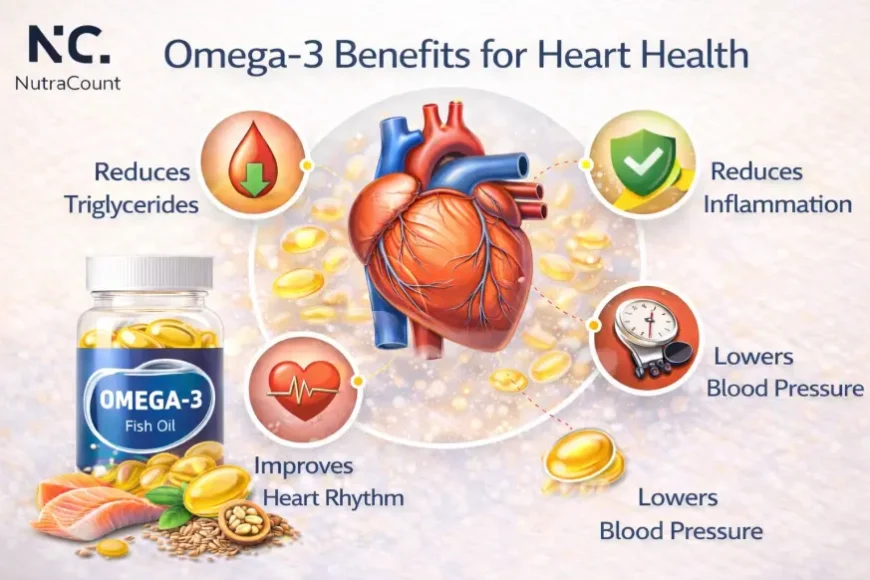
1. Reduces Triglycerides

High triglycerides are an independent risk factor for heart disease.

Omega-3 fatty acids — especially EPA — can significantly reduce triglyceride levels. Prescription-strength omega-3 formulations are even used medically to treat very high triglycerides.

Mechanism:

  • Reduce liver production of triglycerides
  • Increase clearance from bloodstream

Lower triglycerides mean reduced stress on arteries and improved lipid profile balance.

2. Supports Healthy Blood Pressure

Omega-3 intake has been associated with modest reductions in systolic and diastolic blood pressure.

How it works:

  • Improves arterial elasticity
  • Enhances nitric oxide production
  • Reduces vascular inflammation

Even small reductions in blood pressure can significantly lower long-term cardiovascular risk.

3. Anti-Inflammatory Effects

Chronic inflammation drives atherosclerosis (plaque buildup).

EPA and DHA:

  • Produce anti-inflammatory molecules (resolvins and protectins)
  • Reduce inflammatory cytokines
  • Lower systemic inflammatory burden

This is one of the core reasons omega-3 for cardiovascular health remains widely studied.

4. Anti-Arrhythmic Properties

Irregular heart rhythms can lead to sudden cardiac events.

DHA in particular:

  • Stabilizes cardiac cell membranes
  • Improves electrical signaling
  • Reduces susceptibility to arrhythmias

Some early studies suggested a strong anti-arrhythmic effect, though more recent research shows benefits may depend on dose and patient population.

5. Plaque Stabilization

Unstable plaques are more dangerous than large stable ones.

Omega-3s:

  • Reduce inflammation within arterial plaque
  • Improve plaque stability
  • Potentially reduce rupture risk

Stable plaques are less likely to cause heart attacks.

6. Improves Endothelial Function

The endothelium lines your blood vessels.

Healthy endothelial function means:

  • Better blood flow
  • Reduced clot formation
  • Improved vascular tone

Omega-3 fatty acids enhance endothelial responsiveness, especially in people with metabolic syndrome.

Also Read: How Much Omega 3 Should You Take Daily?

Omega-3 and Major Cardiovascular Conditions

Coronary Artery Disease (CAD)

Omega-3 and heart disease research suggests that regular intake may reduce risk of coronary events, particularly in individuals with existing heart disease.

People consuming fatty fish regularly often show lower rates of fatal cardiac events.

Heart Attack Risk

Some large randomized trials have shown that purified EPA supplementation reduced major adverse cardiac events in high-risk individuals already on statins.

However, results vary depending on:

  • Dose
  • Formulation
  • Baseline health condition

This explains why some studies show strong benefits, while others show modest effects.

Stroke

Evidence suggests omega-3 intake may modestly reduce ischemic stroke risk, though effects are less consistent compared to heart attack prevention.

Atherosclerosis

Omega-3 may slow progression of plaque formation by:

  • Reducing inflammation
  • Improving lipid profile
  • Supporting vascular integrity

Heart Rhythm Disorders

While earlier research showed strong protective effects, more recent data indicates benefits may be more significant in specific populations rather than the general population.

Clinical Research: What Do Studies Really Say?

Over the past 30 years, numerous large trials and meta-analyses have examined fish oil heart benefits.

Here’s what the broader scientific consensus suggests:

  • Moderate omega-3 intake from food is consistently associated with lower cardiovascular risk.
  • High-dose purified EPA may reduce cardiovascular events in high-risk individuals.
  • Benefits are more pronounced in people with high triglycerides.
  • Routine low-dose supplementation in healthy individuals shows mixed results.

Why the controversy?

Differences in:

  • Study design
  • Dosage
  • EPA vs combined EPA+DHA
  • Baseline diet of participants

Current cardiovascular guidelines in many countries recommend omega-3 intake primarily for people with elevated triglycerides or established cardiovascular disease.

Also Read: What Does Omega 3 Fish Oil Do for Your Body?

Recommended Dosage for Heart Health

General Heart Maintenance

  • 250–500 mg combined EPA + DHA per day
  • Achievable through 2–3 servings of fatty fish weekly

Elevated Triglycerides

  • 2–4 grams per day (under medical supervision)

Prevention vs Therapeutic Use

Maintenance doses support general cardiovascular health. Therapeutic doses are prescribed for:

  • Severe hypertriglyceridemia
  • Secondary prevention in high-risk patients

Always consult a healthcare professional before high-dose supplementation.

Best Food Sources of Omega-3

Fatty Fish (Best Sources)

  • Salmon
  • Sardines
  • Mackerel
  • Anchovies
  • Tuna (in moderation)

These provide direct EPA and DHA.


Plant-Based Sources (ALA)

  • Flaxseeds
  • Chia seeds
  • Walnuts
  • Soybeans

Remember: conversion to EPA and DHA is limited.

Fortified Foods

  • Omega-3 eggs
  • Fortified milk
  • Certain cooking oils

These can help boost intake but may not replace fatty fish.

Who Should Consider Omega-3 Supplements?

While food-first is ideal, supplements may benefit:

1. People with High Triglycerides

Strongest evidence group.

2. Individuals with Family History of Heart Disease

Preventive strategy under medical advice.

3. Vegetarians & Vegans

Algae-based DHA supplements are good alternatives.

4. Individuals Who Rarely Eat Fish

Common in many Indian households.

Potential Side Effects & Safety

Omega-3 supplements are generally safe but can cause:

  • Mild gastrointestinal discomfort
  • Fishy aftertaste
  • Loose stools

Bleeding Risk

High doses may increase bleeding tendency, especially if combined with:

  • Blood thinners
  • Aspirin
  • Clopidogrel

Always consult your physician if on anticoagulants.

Safe Upper Limits

Most guidelines consider up to 3 grams daily from supplements safe for the general population, unless medically supervised.

Myths vs Facts About Omega-3 and Heart Health

Myth: More omega-3 always means better heart protection.
Fact: Benefits plateau beyond certain doses.

Myth: Plant omega-3 is equal to fish omega-3.
Fact: EPA and DHA are more directly beneficial for heart health.

Myth: Fish oil prevents all heart attacks.
Fact: It reduces risk in certain groups but is not a magic shield.

Practical Tips to Maximize Heart Benefits

  • Eat fatty fish twice weekly.
  • Choose high-quality, third-party tested supplements.
  • Pair omega-3 intake with:
    • Regular exercise
    • Blood pressure control
    • Healthy weight management
    • Balanced diet (Mediterranean-style pattern)

Omega-3 works best as part of an overall heart-healthy lifestyle.

Conclusion

The Omega-3 benefits for heart health are grounded in solid biological mechanisms and decades of cardiovascular research.

These essential fats:

  • Lower triglycerides
  • Support blood vessel health
  • Reduce inflammation
  • Help stabilize heart rhythm

However, they are not a standalone solution.

For individuals in India — where heart disease risk is rising rapidly — incorporating omega-3 into a comprehensive lifestyle approach can be a powerful preventive strategy.

The most effective approach combines:

  • Regular fish intake (or quality supplementation)
  • Blood pressure control
  • Active lifestyle
  • Balanced diet
  • Routine medical screening

Omega-3 and heart disease research continues to evolve, but one message remains consistent: supporting cardiovascular health requires long-term, sustainable habits — and omega-3 plays a meaningful role in that equation.

Frequently Asked Questions (FAQ)

1. Can omega-3 reverse heart disease?

No nutrient alone reverses heart disease, but omega-3 may slow progression and reduce event risk.

2. Is fish oil good for high cholesterol?

It mainly lowers triglycerides, not LDL cholesterol significantly.

3. How long does it take to see benefits?

Triglyceride reduction may be seen within weeks. Cardiovascular risk reduction takes longer-term use.

4. Is omega-3 safe for daily use?

Yes, within recommended doses.

5. Can vegetarians get heart benefits from omega-3?

Yes, but algae-based DHA supplements are more effective than relying solely on ALA.


How Much Omega-3 Should You Take Daily

How Much Omega-3 Should You Take Daily?

Introduction

Omega-3 fatty acids are among the most researched nutrients in modern nutrition science. They support heart health, brain function, eye development, and inflammation balance. But despite their popularity, one question continues to confuse:

How much omega-3 should you take daily?

The answer isn’t one-size-fits-all. Your ideal omega-3 dosage depends on your age, health status, diet, and specific goals—whether you’re aiming for general wellness, lowering triglycerides, or supporting pregnancy.

In this comprehensive, science-based guide, we’ll break down:

  • The different types of omega-3
  • Official intake recommendations
  • Fish oil dosage guidelines
  • Safety limits
  • How to calculate EPA and DHA
  • And who needs more (or less)

All aligned with leading health authorities like the World Health Organization (WHO), National Institutes of Health (NIH), American Heart Association (AHA), and European Food Safety Authority (EFSA).

Also Read: EPA vs DHA

What Are Omega-3 Fatty Acids?

Omega-3s are essential polyunsaturated fats. “Essential” means your body cannot produce them—you must get them from food or supplements.

There are three main types:

1. EPA (Eicosapentaenoic Acid)

  • Primarily found in fatty fish
  • Supports heart health
  • Helps regulate inflammation
  • Plays a role in mood balance

2. DHA (Docosahexaenoic Acid)

  • Major structural fat in the brain and retina
  • Crucial for pregnancy and infant development
  • Supports cognitive function across the lifespan

3. ALA (Alpha-Linolenic Acid)

  • Found in plant foods like flaxseeds and walnuts
  • Must be converted into EPA and DHA
  • Conversion rate is very low (often <10%)

When experts discuss omega-3 dosage, they typically refer to EPA + DHA combined, because these forms provide most of the well-documented health benefits.

How Much Omega-3 Should You Take Daily?

Let’s look at evidence-based recommendations by group.

General Healthy Adults

For overall health, major organizations recommend:

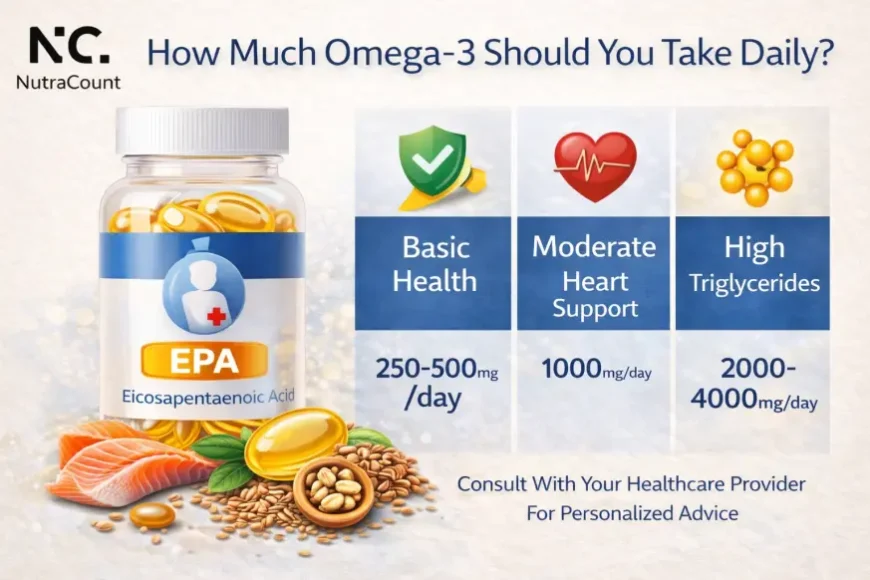
  • 250–500 mg per day of combined EPA + DHA

This recommendation is supported by:

  • WHO
  • EFSA
  • AHA

This amount is typically achieved by eating:

  • 2 servings of fatty fish per week (like salmon, sardines, or mackerel)

If you don’t eat fish regularly, a supplement providing 500–1,000 mg of EPA + DHA daily is commonly used.

What About ALA?

The NIH recommends:

  • Men: 1.6 grams/day
  • Women: 1.1 grams/day

However, because ALA converts poorly into EPA and DHA, relying solely on ALA may not provide equivalent benefits.

Pregnant and Breastfeeding Women

DHA is especially critical during pregnancy for:

  • Fetal brain development
  • Eye formation
  • Preterm birth risk reduction

Most expert bodies recommend:

  • At least 200–300 mg of DHA daily

Some prenatal supplements contain DHA alone, while others provide combined EPA + DHA. Women who consume little seafood may benefit significantly from supplementation.

Children and Adolescents

There is no universal global standard, but general expert consensus suggests:

  • 1–3 years: ~100–150 mg EPA + DHA
  • 4–8 years: ~150–200 mg
  • 9–18 years: ~200–500 mg

Breastfed infants receive DHA from breast milk if the mother consumes adequate omega-3. For children who don’t eat fish, pediatric omega-3 supplements can be considered—but under professional guidance.

Older Adults (60+ Years)

Aging increases inflammation and cardiovascular risk. Omega-3 benefits for older adults include:

  • Heart rhythm support
  • Cognitive maintenance
  • Joint support

Typical recommendation:

  • 500–1,000 mg EPA + DHA daily

Some cognitive studies have used higher DHA doses (800–1,000 mg), though results vary.

People With Heart Disease

According to the American Heart Association (AHA):

  • Individuals with coronary heart disease may benefit from 1,000 mg (1 gram) EPA + DHA daily

This may be obtained from fish or supplements. Clinical trials show modest reductions in cardiac events at this dosage.

People With High Triglycerides

This is where omega-3 dosage becomes therapeutic.

For elevated triglycerides:

  • 2,000–4,000 mg (2–4 grams) of EPA + DHA daily

These higher doses are typically:

  • Prescribed
  • Monitored by a healthcare provider

Prescription omega-3 products are FDA-approved for triglyceride reduction. Do not self-prescribe high doses without medical supervision.

Dietary Intake vs Supplementation

You can meet your omega-3 needs through:

1. Food Sources (Preferred First Approach)

Fatty Fish (Rich in EPA & DHA):

  • Salmon
  • Sardines
  • Mackerel
  • Anchovies
  • Herring

Two servings per week typically provide ~500 mg/day average.

Plant Sources (ALA):

  • Flaxseeds
  • Chia seeds
  • Walnuts
  • Hemp seeds

But remember: ALA conversion to EPA and DHA is limited.

2. Supplements (When Needed)

Common options:

  • Fish oil
  • Algal oil (plant-based DHA)
  • Krill oil

Supplements are useful if:

  • You don’t eat fish
  • You’re pregnant
  • You have high triglycerides
  • You follow a vegetarian/vegan diet

How to Calculate EPA + DHA from a Supplement Label?

This is where many people get confused. A fish oil capsule might say: Fish Oil: 1,000 mg

But that does NOT mean 1,000 mg of omega-3.

You must look at:

  • EPA content
  • DHA content

Example label:

  • EPA: 300 mg
  • DHA: 200 mg

Total EPA + DHA = 500 mg

That’s the actual omega-3 dosage.

Pro Tip:

Always calculate: EPA + DHA combined, not total fish oil.

Upper Safety Limits and Omega-3 Safety

While omega-3 is generally safe, more is not always better.

EFSA Safety Limit:

  • Up to 5,000 mg (5 grams) per day of EPA + DHA is considered safe for adults

NIH Notes:

Doses above 3,000 mg may:

  • Increase bleeding risk
  • Interact with blood thinners
  • Cause digestive upset

Potential Side Effects of High Doses:

  • Fishy aftertaste
  • Nausea
  • Loose stools
  • Easy bruising
  • Prolonged bleeding time

Very high doses should only be taken under medical supervision.

Signs of Omega-3 Deficiency

True deficiency is rare but insufficient intake is common.

Possible signs include:

  • Dry, flaky skin
  • Brittle hair
  • Fatigue
  • Joint discomfort
  • Poor concentration
  • Low mood

However, these symptoms are non-specific. Blood testing can measure the Omega-3 Index, which reflects EPA + DHA levels in red blood cells.

An optimal Omega-3 Index is often considered:

  • 8% or higher

Best Time to Take Omega-3

There is no strict “best time,” but absorption improves when:

  • Taken with a meal containing fat
  • Split into two smaller doses if taking high amounts

Practical Tips:

  • Take with lunch or dinner
  • Avoid taking on an empty stomach
  • Refrigerate liquid fish oil to reduce aftertaste

Consistency matters more than timing.

Who Should Consult a Doctor Before Supplementing?

Speak to a healthcare provider if you:

  • Take blood thinners (warfarin, aspirin)
  • Have bleeding disorders
  • Have an upcoming surgery
  • Are on blood pressure medications
  • Have atrial fibrillation
  • Are you pregnant and considering high-dose supplementation

High-dose omega-3 for triglycerides should always be medically supervised.

Also Read: Top Health Benefits of Omega 3 Capsules

Practical Dosage Summary

Here’s a simplified reference guide:

Group Recommended EPA + DHA
Healthy Adults 250–500 mg/day
Pregnant Women 200–300 mg DHA
Children 100–500 mg/day (age dependent)
Older Adults 500–1,000 mg/day
Heart Disease ~1,000 mg/day
High Triglycerides 2,000–4,000 mg/day (medical supervision)

Final Takeaway: What’s the Ideal Omega-3 Dosage?

So, how much omega-3 should you take daily?

For most people:

  • 250–500 mg of EPA + DHA per day is sufficient for general health.

If you:

  • Are you pregnant → Ensure at least 200–300 mg DHA
  • Have heart disease → Around 1,000 mg daily
  • Have high triglycerides → 2–4 grams under medical care

Food first. Supplements when necessary.
And always calculate EPA + DHA—not total fish oil.

Omega-3 is powerful, but optimal dosing makes the difference between beneficial and unnecessary.

Also Read: What Does Omega 3 Fish Oil Do for Your Body?

Frequently Asked Questions (FAQ)

1. How much omega-3 should you take daily for general health?

Most healthy adults should aim for 250–500 mg of EPA + DHA per day, either from fatty fish or supplements.

2. Is 1,000 mg of fish oil too much?

Not necessarily. But check the label. 1,000 mg fish oil may only contain 300–500 mg EPA + DHA, which is within normal daily range.

3. Can you take omega-3 every day?

Yes. Daily intake is safe and commonly recommended within established safety limits.

4. How much omega-3 is too much?

Above 3,000 mg daily, you should consult a doctor. Above 5,000 mg, medical supervision is strongly recommended.

5. Should I take omega-3 if I eat fish?

If you eat fatty fish twice weekly, you may already meet the recommended intake. Supplements are optional in that case.

6. Is plant-based omega-3 enough?

ALA from plants is beneficial, but conversion to EPA and DHA is limited. Vegans may benefit from algal DHA supplements.

7. Does omega-3 help with inflammation?

Research suggests EPA plays a role in inflammation regulation. However, omega-3 is not a replacement for medical treatment.

EPA vs DHA

EPA vs DHA Explained (Science-Based Guide)

Introduction

Omega-3 fatty acids are often praised as essential nutrients for heart health, brain development, and overall wellness. But when you start reading supplement labels, you’ll quickly see two specific names repeated over and over: EPA and DHA.

Are they the same?
Is one better than the other?
What’s the best EPA to DHA ratio for your goals?

In this comprehensive, science-based guide, we’ll clearly explain the EPA vs DHA difference, their individual roles, and how to choose wisely based on your health needs.

Also Read: Top Health Benefits of Omega-3 Capsules

Omega-3 Fatty Acids Explained

Omega-3 fatty acids are a group of essential polyunsaturated fats that your body cannot produce efficiently on its own. That means you must obtain them through food or supplements.

The three main types of omega-3s are:

  • ALA (Alpha-linolenic acid) – Found in plant foods like flaxseeds and walnuts
  • EPA (Eicosapentaenoic Acid) – Found mainly in fatty fish and marine sources
  • DHA (Docosahexaenoic Acid) – Also found in fatty fish and marine sources

While ALA is important, your body converts only a small percentage of ALA into EPA and DHA. That’s why direct intake of EPA and DHA is emphasized by health organizations such as the World Health Organization (WHO) and the National Institutes of Health (NIH).

Why EPA and DHA Are Often Confused?

EPA and DHA are both:

  • Long-chain omega-3 fatty acids
  • Derived mainly from marine sources
  • Frequently combined in supplements
  • Associated with heart and brain health

Because they often appear together on supplement labels, many people assume they perform the same functions. In reality, they have distinct biological roles.

Understanding this difference helps you:

  • Choose the right supplement
  • Support specific health goals
  • Avoid unnecessary or imbalanced dosing

Let’s break it down clearly.

What Is EPA (Eicosapentaenoic Acid)?

Definition

EPA (Eicosapentaenoic Acid) is a long-chain omega-3 fatty acid primarily found in:

  • Salmon
  • Sardines
  • Mackerel
  • Fish oil supplements

It plays a major role in regulating inflammation and cardiovascular function.

Biological Role in the Body

EPA is primarily involved in:

  • Producing anti-inflammatory signaling molecules
  • Supporting healthy blood vessel function
  • Regulating immune responses
  • Influencing mood-related brain chemicals

Think of EPA as the “inflammation regulator” of the omega-3 family.

EPA Benefits

1. Heart Health

The American Heart Association recognizes omega-3 fatty acids as supportive of cardiovascular health. EPA helps:

  • Lower triglyceride levels
  • Support healthy blood flow
  • Reduce inflammatory stress on blood vessels

This is why EPA-rich prescription omega-3 formulations are sometimes used under medical supervision for managing high triglycerides.

2. Inflammation Control

EPA is converted into compounds called eicosanoids and resolvins that help regulate inflammatory responses.

Chronic inflammation is linked to:

  • Cardiovascular disease
  • Metabolic disorders
  • Autoimmune conditions

EPA acts as a balancing agent, helping prevent excessive inflammatory reactions.

3. Mood Support

Research suggests EPA may play a supportive role in:

  • Depression
  • Mood regulation
  • Emotional stability

Some evidence indicates that higher EPA formulas may be more beneficial for mood compared to DHA-heavy formulas.

Scientific Explanation (Simplified)

EPA works by modulating cell signalling molecules that regulate inflammation. You can think of it as adjusting the “volume” on inflammatory processes — not turning them off completely, but preventing them from becoming excessive.

What Is DHA (Docosahexaenoic Acid)?

Definition

DHA (Docosahexaenoic Acid) is another long-chain omega-3 fatty acid found in:

  • Fatty fish
  • Fish oil
  • Algae-based supplements

It is a structural fat, meaning it physically forms part of cell membranes.

Role in Brain, Eyes, and Cell Membranes

DHA is a major structural component of:

  • Brain tissue
  • Retina of the eyes
  • Sperm cells
  • Nerve cell membranes

In fact, a significant portion of the brain’s fat is DHA.

If EPA is the regulator, DHA is the architect — it builds and maintains the structure.

DHA Benefits

1. Brain Development and Function

DHA plays a critical role in:

  • Memory
  • Learning
  • Cognitive performance
  • Neuronal communication

This is why DHA is emphasized during:

  • Pregnancy
  • Breastfeeding
  • Early childhood

2. Eye Health

The retina contains high concentrations of DHA. Adequate intake supports:

  • Visual development in infants
  • Maintenance of retinal function in adults

3. Pregnancy and Infant Development

Health authorities recommend DHA during pregnancy because it supports:

  • Fetal brain development
  • Nervous system formation
  • Visual system development

DHA crosses the placenta and accumulates in the developing baby’s brain during the third trimester.

EPA vs DHA for Brain

Both support the brain — but differently:

  • DHA builds brain cell structure
  • EPA supports mood and inflammatory balance

EPA vs DHA: Key Differences

Structural Difference

Although both are long-chain omega-3s:

  • EPA has 20 carbon atoms
  • DHA has 22 carbon atoms

DHA’s slightly longer structure makes it more flexible and ideal for cell membrane integrity, especially in nerve cells.

Functional Difference

Feature EPA DHA
Primary Role Anti-inflammatory signaling Structural component
Best Known For Heart & inflammation support Brain & eye development
Mood Support Stronger evidence Supportive role
Pregnancy Importance Helpful Critical
Triglyceride Support Significant Moderate

Differences in Clinical Applications

EPA-focused formulas may be preferred for:

  • High triglycerides
  • Inflammatory conditions
  • Mood support

DHA-focused formulas may be preferred for:

  • Pregnancy
  • Infant development
  • Cognitive support
  • Eye health

How the Body Uses Them Differently?

  • EPA is rapidly used for signaling and regulation.
  • DHA becomes embedded in cell membranes, especially in the brain.

In short:
EPA acts quickly. DHA builds long-term structure.

EPA and DHA for Specific Health Goals

1. EPA vs DHA for Heart Health

Both support heart health, but:

  • EPA has stronger evidence for triglyceride reduction.
  • Balanced formulas are typically recommended for general cardiovascular support.

2. EPA vs DHA for Brain Health

  • DHA supports memory and cognition.
  • EPA may support mood regulation and emotional health.

For older adults, a balanced approach is often beneficial.

3. Depression and Anxiety

Some research suggests higher EPA ratios may offer more mood-related benefits compared to DHA-heavy products. However, omega-3s should complement — not replace — professional mental health care.

4. Pregnancy

DHA is particularly important during pregnancy and breastfeeding. Many prenatal supplements emphasize DHA for fetal brain and eye development.

5. Eye Health

DHA plays a structural role in the retina. Adequate intake supports long-term eye health.

6. Inflammation

EPA is more directly involved in producing anti-inflammatory compounds. If inflammation is the primary concern, higher EPA formulas may be appropriate under medical advice.

Ideal Ratios: How Much EPA vs DHA Do You Need?

General Recommendations

Health organizations generally recommend:

  • 250–500 mg combined EPA and DHA per day for healthy adults

Exact ratios are not strictly defined, but many balanced supplements use:

  • 1:1 ratio
  • 2:1 EPA to DHA

When Higher EPA May Be Beneficial?

  • Mood support
  • Triglyceride management
  • Inflammatory conditions

When Higher DHA May Be Beneficial?

  • Pregnancy
  • Breastfeeding
  • Cognitive support
  • Eye health

Balanced vs Targeted Formulas

  • Balanced formulas: Good for general wellness
  • Targeted formulas: Designed for specific health outcomes

Choosing depends on your personal health goals.

Food Sources of EPA and DHA

Fatty Fish

Best natural sources include:

  • Salmon
  • Sardines
  • Mackerel
  • Herring

Eating fatty fish 2–3 times per week can help meet the recommended intake.

Fish Oil Supplements

Fish oil typically contains both EPA and DHA.

Check the label carefully — some products contain much less active omega-3 than the total oil amount suggests.

Algae-Based Omega-3

Algae oil provides DHA (and sometimes EPA) and is suitable for:

  • Vegetarians
  • Vegans

Bioavailability Differences

Triglyceride-form omega-3s and re-esterified triglyceride forms are generally well absorbed. Consistency matters more than minor formulation differences.

Are There Side Effects or Risks?

Omega-3 fatty acids are generally considered safe when taken in recommended amounts.

Possible Mild Side Effects

  • Fishy aftertaste
  • Mild digestive discomfort
  • Nausea

Safe Upper Limits

Higher doses (especially above 3,000 mg/day combined EPA and DHA) should be taken only under medical supervision.

Blood Thinning Considerations

Omega-3s may have mild blood-thinning effects.

Consult a healthcare professional if you:

  • Take anticoagulants
  • Have bleeding disorders
  • Are preparing for surgery

Conclusion: Clear Takeaway

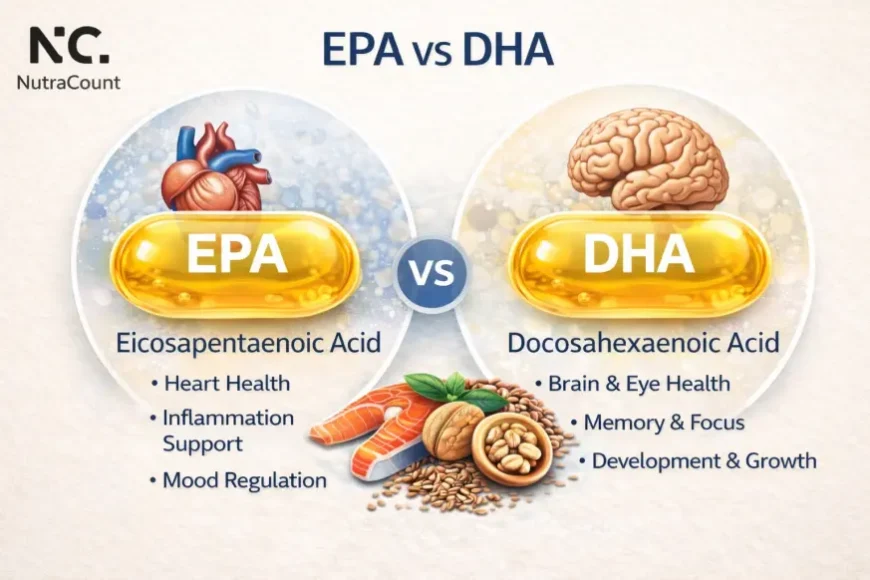
When it comes to EPA vs DHA, the key difference lies in function:

  • EPA = Inflammation and heart support
  • DHA = Brain, eye, and structural support

Rather than asking which is better, the better question is:

What does your body need right now?

Practical Advice for Choosing Supplements

  1. Define your goal (heart, brain, pregnancy, mood).
  2. Check actual EPA and DHA content — not just total fish oil.
  3. Choose a balanced formula for general health.
  4. Consider algae-based options if vegetarian.
  5. Consult a healthcare professional for higher doses.

Understanding omega-3 fatty acids explained in simple terms empowers you to make smarter decisions for long-term health.

Your body doesn’t need more confusion — it needs the right balance.

Frequently Asked Questions

1. What is the main EPA vs DHA difference?

EPA primarily regulates inflammation, while DHA builds and maintains brain and eye structure.


2. Is EPA or DHA better?

Neither is universally better. The best choice depends on your health goal.


3. What is the best EPA to DHA ratio?

A balanced 1:1 or 2:1 EPA to DHA ratio works well for general health. Targeted formulas may vary.


4. Can I get enough from vegetarian sources?

Plant-based ALA converts poorly into EPA and DHA. Algae-based supplements are a reliable alternative.


5. Is it safe to take omega-3 daily?

Yes, in recommended amounts. Consult your doctor if you have medical conditions or take medications.

Top Health Benefits of Omega-3 Capsules

Top 10 Health Benefits of Omega-3 Capsules

Introduction

Omega-3 capsules have become one of the most widely used dietary supplements across the world—and for good reason. Backed by strong nutritional science, omega-3 fatty acids play a crucial role in maintaining heart, brain, joint, eye, and overall metabolic health. In today’s fast-paced lifestyle, where diets are often low in essential fats, omega-3 supplements help bridge the nutritional gap and support long-term wellness.

This comprehensive guide explains omega-3 capsules benefits in simple, clear language, making it easy for anyone to understand how and why these essential fatty acids matter. Whether you are considering omega-3 for preventive health or specific conditions, this article is designed to help you make an informed decision.

Also Read: EPA vs DHA

What Are Omega-3 Capsules and Why Are They Important?

Omega-3 capsules are dietary supplements that provide essential fatty acids that the human body cannot produce on its own. These fats are called essential because they must be obtained through diet or supplementation.

Modern diets, especially vegetarian or highly processed diets, often lack adequate omega-3 intake. Omega-3 capsules, commonly derived from fish oil or plant-based sources, offer a convenient and reliable way to meet daily nutritional needs.

Why Omega-3 Matters:

  • Supports heart and brain health
  • Helps regulate inflammation
  • Contributes to hormonal balance
  • Plays a role in cell membrane structure

Without sufficient omega-3 fatty acids, the risk of chronic inflammation, cardiovascular issues, and cognitive decline increases over time.

Understanding Omega-3 Fatty Acids: EPA, DHA, and ALA

Omega-3 fatty acids come in three main forms, each with unique health benefits:

1. EPA (Eicosapentaenoic Acid)

  • Primarily supports heart health
  • Helps reduce inflammation
  • Plays a role in mood regulation

2. DHA (Docosahexaenoic Acid)

  • A major structural component of the brain and eyes
  • Essential for memory, focus, and vision
  • Crucial during pregnancy and early development

3. ALA (Alpha-Linolenic Acid)

  • Found mainly in plant sources like flaxseeds and walnuts
  • Converted in small amounts into EPA and DHA
  • Supports general metabolic health

Most fish oil capsules benefits come from EPA and DHA, which are more biologically active than ALA.

Top 10 Health Benefits of Omega-3 Capsules

1. Supports Heart Health

Omega-3 fatty acids are widely recognized for their protective effects on the cardiovascular system.

How it works:
Omega-3 helps lower triglyceride levels, improves good cholesterol (HDL), and reduces inflammation in blood vessels. It also supports healthy blood flow and maintains normal heart rhythm.

Who benefits the most:

  • People with high cholesterol
  • Individuals with a family history of heart disease
  • Adults over 40

Regular omega-3 supplementation contributes to long-term heart health and reduces cardiovascular risk factors.

2. Improves Brain Function and Memory

The brain is nearly 60% fat, and DHA is one of its most important building blocks.

How it works:
DHA supports communication between brain cells, improves neural signalling, and protects brain tissue from oxidative stress.

Who benefits the most:

  • Students and working professionals
  • Older adults are concerned about memory decline
  • Individuals under high mental stress

Adequate omega-3 intake supports focus, learning ability, and cognitive longevity.

3. Reduces Inflammation and Joint Pain

Chronic inflammation is a root cause of many lifestyle-related health conditions.

How it works:
Omega-3 fatty acids help regulate inflammatory responses by influencing the production of anti-inflammatory compounds in the body.

Who benefits the most:

  • People with joint stiffness or arthritis
  • Individuals with physically demanding jobs
  • Older adults

Omega-3 capsules benefits include improved joint flexibility and reduced discomfort over time.

4. Supports Eye and Vision Health

DHA is a key structural component of the retina, making omega-3 essential for eye health.

How it works:
Omega-3 helps maintain retinal integrity, supports tear production, and protects against age-related vision issues.

Who benefits the most:

  • People with excessive screen exposure
  • Older adults
  • Individuals with dry eyes

Consistent intake supports long-term visual clarity and comfort.

5. Enhances Skin and Hair Health

Healthy fats are essential for glowing skin and strong hair.

How it works:
Omega-3 fatty acids strengthen the skin barrier, retain moisture, and help regulate oil production. They also support hair follicles and scalp health.

Who benefits the most:

  • Individuals with dry or sensitive skin
  • People experiencing hair thinning
  • Those exposed to pollution and sun damage

Omega-3 supplements contribute to healthier skin texture and reduced dryness.

6. Supports Mental Health and Mood Balance

Omega-3 plays a role in neurotransmitter function and emotional regulation.

How it works:
EPA and DHA influence serotonin and dopamine pathways, which are important for mood stability and emotional well-being.

Who benefits the most:

  • Individuals under chronic stress
  • People with mood fluctuations
  • Adults with sleep or anxiety concerns

Omega-3 fatty acids support mental clarity and emotional balance naturally.

7. Aids in Weight Management and Metabolism

While omega-3 is a fat, it supports healthy fat metabolism.

How it works:
Omega-3 improves insulin sensitivity, supports metabolic efficiency, and may help reduce fat accumulation when combined with a healthy lifestyle.

Who benefits the most:

  • Individuals trying to manage weight
  • People with sedentary lifestyles
  • Adults with metabolic concerns

Omega-3 supplements support balanced metabolism rather than quick weight loss.

8. Boosts Immunity

A well-functioning immune system relies on controlled inflammatory responses.

How it works:
Omega-3 fatty acids help regulate immune cell activity, preventing excessive inflammation while maintaining immune readiness.

Who benefits the most:

  • Individuals with frequent infections
  • Older adults
  • People under high physical or mental stress

Omega-3 contributes to stronger immune resilience.

9. Supports Pregnancy and Fetal Development

DHA is essential during pregnancy for fetal brain and eye development.

How it works:
Omega-3 supports neural development in the fetus and helps maintain maternal health.

Who benefits the most:

  • Pregnant women (under medical guidance)
  • Women planning pregnancy

Adequate omega-3 intake supports healthy pregnancy outcomes.

10. Improves Overall Longevity and Cellular Health

Omega-3 fatty acids support healthy cell membranes and reduce oxidative damage.

How it works:
By improving cellular flexibility and reducing inflammation, omega-3 helps slow age-related decline.

Who benefits the most:

  • Adults focused on preventive health
  • Individuals with lifestyle-related health risks

Long-term omega-3 supplementation supports overall vitality.

Omega-3 Capsules vs Natural Food Sources

Natural Food Sources:

  • Fatty fish (sardines, mackerel)
  • Flaxseeds and chia seeds
  • Walnuts

Omega-3 Capsules:

  • Provide consistent EPA and DHA dosage
  • More convenient for daily intake
  • Ideal for people with dietary restrictions

While food sources are excellent, omega-3 capsules ensure reliable intake, especially when diet alone is insufficient.

Recommended Dosage & Best Time to Take Omega-3 Capsules

General dosage:

  • 900–1000 mg combined EPA and DHA per day for healthy adults
  • Higher doses may be recommended by healthcare professionals

Best time to take:

  • After meals (preferably with fat-containing meals)
  • Morning or afternoon for better absorption

Consistency is more important than timing.

Possible Side Effects & Precautions

Omega-3 supplements are generally safe when taken as recommended. However, some people may experience:

  • Mild digestive discomfort
  • Fishy aftertaste
  • Nausea if taken on an empty stomach

To minimize side effects, take omega-3 capsules with meals and stay within recommended limits.

Who Should and Should Not Take Omega-3 Supplements?

Should Take:

  • Adults with low fish intake
  • Individuals with heart or joint concerns
  • People focused on preventive health

Should Be Cautious:

  • Individuals on blood-thinning medication
  • People with fish allergies
  • Those with medical conditions (consult a doctor first)

Case Studies & Authoritative Reports on Omega-3 Fish Oil Benefits

1. Heart & Brain Function — American Heart Association (AHA) Research

A study highlighted by the American Heart Association found that higher levels of DHA in the blood were associated with improved cognitive performance in older adults with coronary artery disease. Participants given a combined dose of DHA and EPA showed better performance in memory, language and processing speed over 30 months compared to those without supplementation. This suggests omega-3 may support brain health in people with heart disease.

Key Insight: EPA + DHA may help maintain cognitive function in adults at risk of cognitive decline — an important consideration for aging populations.

2. Brain Function in Healthy Adults — NIH Clinical Trial

A randomized clinical trial published via NIH’s PubMed database examined the effects of fish oil (EPA + DHA) on adults aged 30–54 with low dietary intake of long-chain omega-3s. After 18 weeks, overall improvement in broad cognitive performance wasn’t significant — but those with extremely low baseline DHA levels did show improvements in executive function.

Key Insight: Omega-3 benefits may be more evident in individuals who start with low omega-3 status.

3. Cardiovascular Function — AHRQ Evidence Summary

The U.S. Agency for Healthcare Research and Quality reviewed dozens of clinical trials and concluded that omega-3 supplementation improves vascular function and positively affects markers like triglycerides, potentially lowering risk factors related to heart disease.

Key Insight: Omega-3 intake correlates with improved endothelial function, a key factor in heart health.

4. Blood Pressure & Heart Disease — Meta-Analyses & Clinical Trials

Meta-analyses of randomized controlled trials have shown that daily EPA + DHA supplementation (~1 gram/day) can modestly reduce systolic and diastolic blood pressure — especially in people with hypertension.

Key Insight: Even small reductions in blood pressure can be meaningful at a population level.

5. Cognitive Health in Ageing — 30-Month Clinical Trial

Another randomized clinical trial — conducted in older adults with coronary artery disease — found that high doses of omega-3 (3.36 g of EPA + DHA daily) led to significantly better cognitive decline outcomes over 30 months compared with control groups.

Key Insight: Long-term high-dose omega-3 may help support memory and processing skills in aging adults, especially those with heart disease.

6. Structural Evidence – DHA’s Role in Vascular Endothelium*

A review of studies compiled on DHA’s effects on vascular endothelium showed that intake of DHA may improve endothelial cell function, reduce platelet aggregation, and help regulate inflammation and thrombosis — all of which contribute to cardiovascular health.

Key Insight: DHA not only affects blood fats but also the inner lining of blood vessels.

7. DHA Systematic Review – Heart & Brain Support

Systematic reviews of research on DHA report that high-DHA fish oils show positive effects on heart and brain function, including slowing cognitive decline — although some results vary by age and gender.

Key Insight: DHA has consistent evidence backing its role in cardiovascular and neurological function.


Conclusion

Omega-3 capsules offer a wide range of scientifically supported health benefits, from heart and brain health to improved immunity, skin, and joint function. In a world where nutritional gaps are common, omega-3 supplementation provides a reliable and effective way to support overall well-being.

By understanding the omega-3 fatty acids, choosing the right dosage, and using supplements responsibly, individuals can experience long-term health benefits safely and naturally. Always prioritize informed use and consult a healthcare professional when needed—because good health begins with smart nutrition choices.

Frequently Asked Questions (FAQs)

1. What are the main omega-3 capsules benefits?

They support heart, brain, joint, skin, and immune health while reducing inflammation.

2. Are fish oil capsules benefits better than plant-based omega-3?

Fish oil provides EPA and DHA directly, which are more effective than ALA from plants.

3. Can omega-3 supplements be taken daily?

Yes, daily intake is safe within recommended dosage.

4. Do omega-3 capsules help with cholesterol?

Yes, they help lower triglycerides and support good cholesterol levels.

5. Is omega-3 good for vegetarians?

Vegetarians can opt for algae-based omega-3 supplements.

6. How long does it take to see results?

Benefits may be noticed within 4–8 weeks of consistent use.

7. Can omega-3 help with joint pain?

Yes, omega-3 fatty acids help reduce inflammation and stiffness.

What Does Omega 3 Fish Oil Do For Your Body?

What Does Omega-3 Fish Oil Do for Your Body

Introduction

Omega-3 fish oil has become one of the most widely recommended dietary supplements in the world—and for good reason. From supporting heart health to improving brain function, reducing inflammation, and promoting glowing skin, omega-3 fatty acids play a vital role in keeping the body functioning at its best.

But what exactly does omega-3 fish oil do for your body? How does it work at a cellular level, and who should actually take it?

In this in-depth guide, we’ll break down everything you need to know about omega-3 fish oil, backed by science but explained in simple, easy-to-understand language.

What Are Omega-3 Fatty Acids?

Omega-3s are essential fatty acids, meaning your body cannot produce them on its own—you must obtain them through food or supplements. There are three main types of omega-3 fatty acids:

1. EPA (Eicosapentaenoic Acid)

  • Found primarily in fatty fish and fish oil
  • Known for reducing inflammation
  • Plays a major role in heart and joint health

2. DHA (Docosahexaenoic Acid)

  • A structural component of the brain, eyes, and nervous system
  • Essential for cognitive function, memory, and vision
  • Especially important during pregnancy and aging

3. ALA (Alpha-Linolenic Acid)

  • Found in plant sources like flaxseeds and walnuts
  • Must be converted into EPA and DHA (conversion rate is low)

Fish oil supplements mainly provide EPA and DHA, the most bioavailable and beneficial forms.

How Omega-3 Fish Oil Works Inside Your Body

Omega-3 fish oil works at a cellular level. These fatty acids are incorporated into your cell membranes, improving their flexibility and communication ability.

Here’s what happens when you consume omega-3 regularly:

  • Cell membranes become more fluid and efficient
  • Inflammatory pathways are regulated
  • Hormone-like compounds called eicosanoids are balanced
  • Blood vessels function more smoothly
  • Brain cells transmit signals more effectively

This is why omega-3 impacts so many systems in the body at once.

Omega-3 Fish Oil Benefits for Your Body

1. Supports Heart Health 

One of the most well-known benefits of omega-3 fish oil is cardiovascular protection.

Omega-3 helps by:

  • Lowering triglyceride levels
  • Supporting healthy blood pressure
  • Improving HDL (good cholesterol)
  • Reducing arterial inflammation
  • Preventing plaque buildup in arteries

Regular omega-3 intake is associated with a lower risk of heart attack, stroke, and irregular heart rhythms.

2. Boosts Brain Function and Mental Health 

Your brain is nearly 60% fat, and DHA is one of its most important building blocks.

Omega-3 fish oil:

  • Enhances memory and concentration
  • Supports learning and cognitive performance
  • Helps manage stress and anxiety
  • May reduce symptoms of depression
  • Slows age-related cognitive decline

DHA is also crucial during childhood development and pregnancy for proper brain formation.

3. Reduces Inflammation Naturally 

Chronic inflammation is linked to conditions like arthritis, diabetes, heart disease, and autoimmune disorders.

Omega-3 fish oil:

  • Lowers inflammatory markers
  • Balances immune responses
  • Reduces joint stiffness and pain
  • Helps muscles recover faster after exercise

This makes it especially beneficial for people with joint pain, athletes, and those with inflammatory conditions.

4. Improves Joint and Bone Health 

Omega-3 supports joint lubrication and flexibility, making movement smoother and less painful.

Benefits include:

  • Reduced morning stiffness
  • Improved joint mobility
  • Lower risk of cartilage degeneration
  • Support for bone density when combined with vitamin D

It’s particularly helpful for aging adults and individuals with physically demanding lifestyles.

5. Supports Eye Health 

DHA is a major structural component of the retina.

Omega-3 fish oil helps:

  • Maintain sharp vision
  • Reduce eye dryness
  • Protect against digital eye strain
  • Lower risk of age-related vision problems

People who spend long hours on screens often benefit significantly from omega-3 supplementation.

6. Enhances Skin and Hair Health 

Omega-3 works from within to improve skin quality and hair strength.

Skin benefits:

  • Improved hydration and elasticity
  • Reduced acne and redness
  • Protection against premature aging
  • Strengthened skin barrier

Hair benefits:

  • Reduced hair fall
  • Improved scalp health
  • Shinier, stronger hair strands

7. Strengthens the Immune System 

Omega-3 fish oil supports immune balance rather than overstimulation.

It helps by:

  • Enhancing immune cell function
  • Reducing excessive immune responses
  • Supporting faster recovery from illness

This makes omega-3 useful year-round, especially during seasonal changes.

8. Supports Metabolism and Weight Management

While omega-3 is not a weight-loss supplement, it supports metabolic health by:

  • Improving insulin sensitivity
  • Reducing fat-related inflammation
  • Supporting muscle recovery
  • Enhancing fat utilization during exercise

It works best when combined with a balanced diet and regular physical activity.

Who Should Take Omega-3 Fish Oil?

Omega-3 fish oil is beneficial for:

  • People who don’t eat fatty fish regularly
  • Individuals with heart or joint concerns
  • Office workers and students (brain support)
  • Athletes and fitness enthusiasts
  • Aging adults
  • People with dry skin or eye issues

Who Should Avoid or Be Cautious?

Omega-3 is generally safe, but caution is advised for:

  • People on blood-thinning medications
  • Those with fish or seafood allergies
  • Individuals scheduled for surgery
  • People with bleeding disorders

Always consult a healthcare professional if unsure.

Recommended Omega-3 Dosage

General guidelines:

  • 600–1000 mg combined EPA + DHA per day for maintenance
  • 1000 mg or more for heart, joint, or inflammation support

Higher doses should only be taken under medical supervision.

Best Time to Take Omega-3 Fish Oil

  • Take with meals (preferably with fat)
  • Morning or evening both work
  • Avoid taking on an empty stomach to reduce fishy aftertaste

Food Sources vs Supplements

Source EPA/DHA Content Convenience
Fatty fish High Requires regular intake
Fish oil capsules Standardized Very convenient
Plant sources Low EPA/DHA Limited conversion

Supplements are ideal for consistent intake.

Possible Side Effects of Omega-3 Fish Oil

Most people tolerate omega-3 well. Mild side effects may include:

  • Fishy aftertaste
  • Mild nausea
  • Loose stools (high doses)

Choosing high-quality, purified supplements minimizes side effects.

Final Thoughts: What Does Omega-3 Fish Oil Do for Your Body?

Omega-3 fish oil plays a fundamental role in overall health. It supports your heart, brain, joints, eyes, skin, immune system, and metabolic function—all through natural, science-backed mechanisms.

When taken consistently and in the right dosage, omega-3 fish oil can significantly improve quality of life and long-term wellness.

If you’re looking for a single supplement that supports your body from head to toe, omega-3 fish oil is one of the smartest choices you can make.

FAQs About Omega-3 Fish Oil

1. What does omega-3 fish oil do for your body?

Omega-3 fish oil supports heart health, brain function, joint mobility, eye health, skin quality, and immune balance by reducing inflammation and improving cell membrane function.

2. What are the main benefits of omega-3 fish oil?

Omega-3 fish oil helps lower triglycerides, supports brain health, reduces inflammation, improves joint flexibility, enhances vision, and promotes healthy skin and hair.

3. Is omega-3 fish oil safe to take daily?

Yes, omega-3 fish oil is safe for daily use when taken within recommended limits. Long-term use supports overall health without major side effects for most people.

4. How much omega-3 fish oil should I take daily?

Most adults need 250–500 mg of combined EPA and DHA daily. For heart or joint support, up to 1000 mg may be used under medical guidance.

5. What is the best time to take omega-3 fish oil?

Omega-3 fish oil should be taken with meals, preferably those containing fat, to improve absorption and reduce digestive discomfort.

6. Is fish oil better than plant-based omega-3?

Yes, fish oil provides EPA and DHA directly, which are more effective than plant-based omega-3 that must be converted in the body.

Instagram

This error message is only visible to WordPress admins

Error: No feed found.

Please go to the Instagram Feed settings page to create a feed.